Noli Me Tangere centers around the protagonist Juan Crisostomo Magsalin Ibarra. Upon his return to the Philippines from abroad. He is first surrounded by good friends, a beautiful fiancée and a supportive upper class, but a priest with a vendetta against Ibarra’s late father torments him. Ibarra learns the tragic circumstances of his father’s death and the history behind the animosity held against him by the Friar Dámaso Vardolagas. Still, Ibarra chooses the higher road, avoiding revenge, only to be harassed by Damaso at every turn. Damaso sabotages Ibarra’s wedding and humiliates him constantly. Another religious figure by the name of Padre Salvi becomes Ibarra’s enemy. Salvi attempts to kill him, lusts after his former fiancée and stages an uprising in which Ibarra is implicated. Ibarra is imprisoned, loses his friends and reputation and is nearly killed, all through the relentless hatred of two religious figures. At the end of the novel he is deflated, disillusioned and weak. The bright future he envisioned for his town was shattered and he finds himself surrounded by corruption and loss.
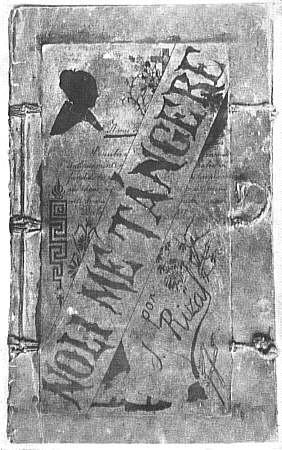
The novel offers a straightforward analysis of Philippine society under Spanish rule. The book indirectly hits the most dirty and unseen sufferings that most Filipinos experienced during the Spanish regime.
 The Literary Works of Rizal
Leave a comment